
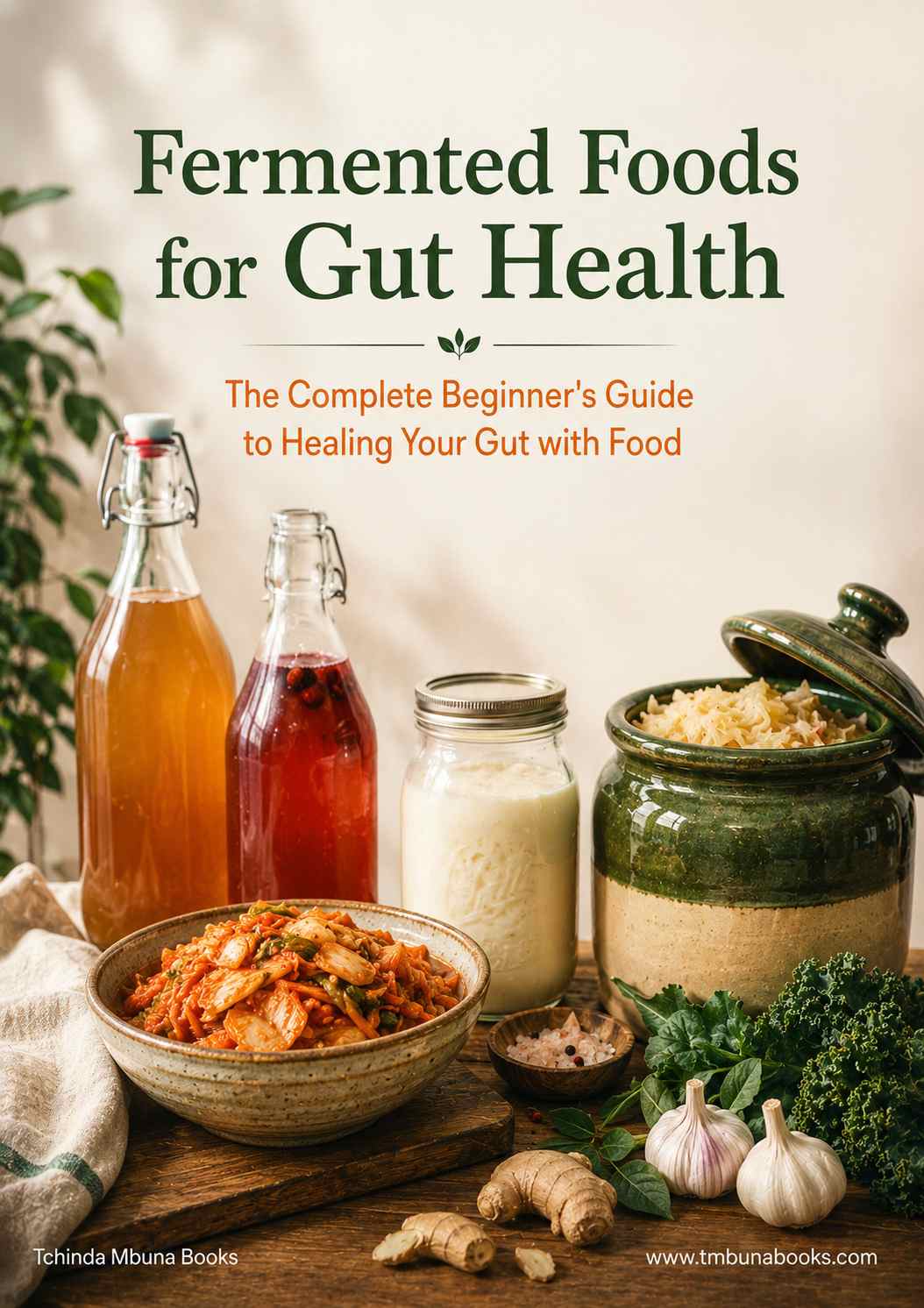
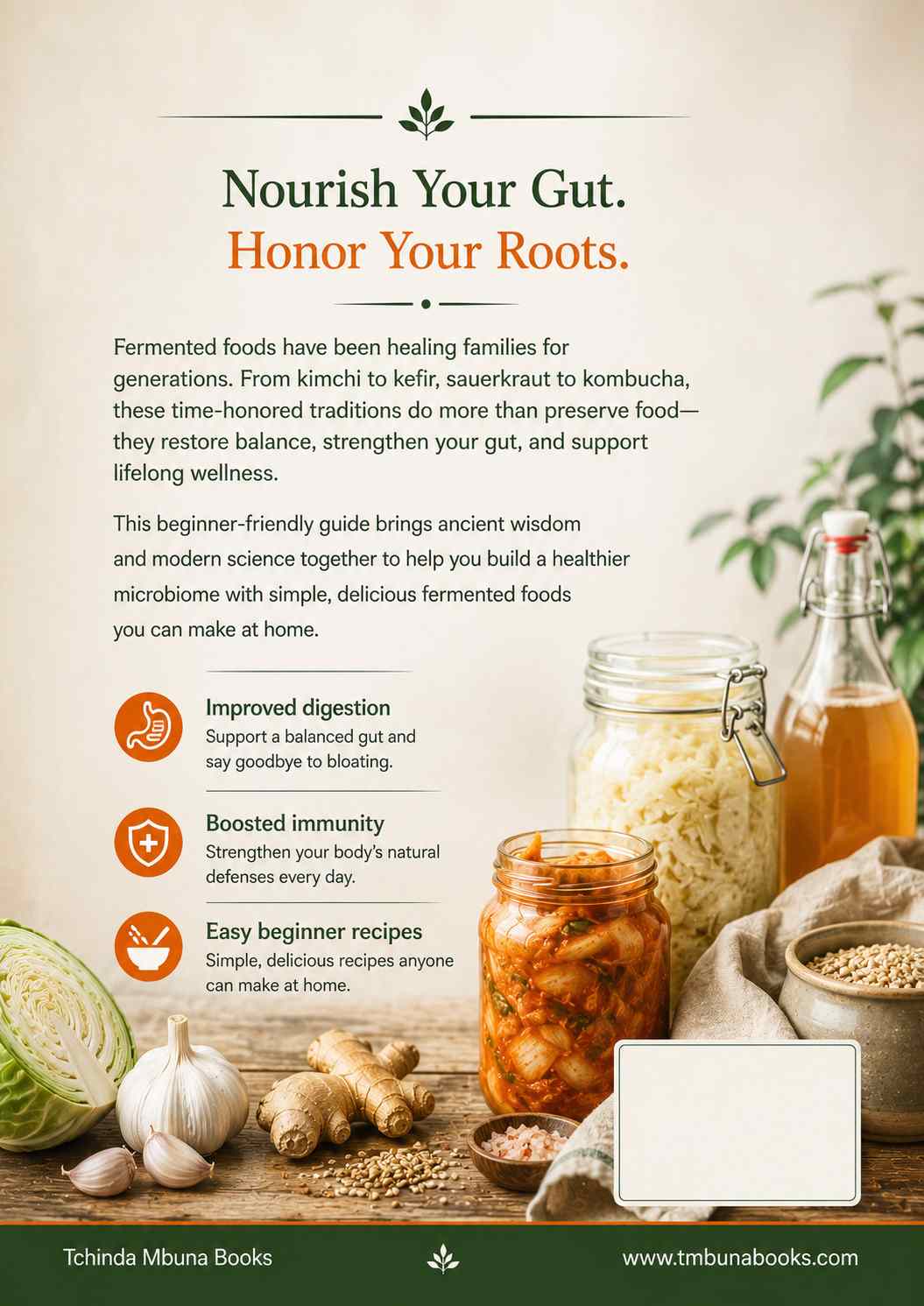
An ancient practice your gut has been waiting for.
Learning how to ferment vegetables at home is simpler than almost anyone expects. Sauerkraut needs two ingredients, a jar you already own, and no starter culture at all. This book takes you from there through kimchi, kefir, kombucha and yogurt, one forgiving recipe at a time.
Is This You?
- You have heard kimchi, kefir and kombucha are good for you without ever learning why
- You have wanted to try fermenting and been quietly intimidated by it
- You have searched how to ferment vegetables at home and found recipes assuming equipment you do not own
- You are worried about doing it wrong and making yourself ill
- You buy fermented foods and wince slightly at the prices
- You would rather improve your gut through food than through supplements
Why Fermenting Intimidates Beginners
Search how to ferment vegetables at home and half the results open with a shopping list.
It looks like something requiring expertise. Airlocks, crocks, temperature control, mysterious cultures passed between households. That impression keeps people paying premium prices for a jar of sauerkraut when a head of cabbage costs a fraction of it.
The reality is that how to ferment vegetables at home comes down to salt, cabbage and patience. Humans did this for thousands of years without thermometers or pH meters, and Chapter 11 is dedicated entirely to helping you recognise what is normal and what is not, so you can proceed with confidence rather than guesswork.
What This Book Gives You
This book treats how to ferment vegetables at home as the entry point into a much wider set of ferments.
The book starts with the fundamentals: what is actually happening inside your gut, and what fermentation really is, explained in plain language with no jargon left unexplained. Then it looks honestly at what fermented foods offer, and just as importantly, what they cannot do.
Then it gets practical. Chapter by chapter you meet the most beginner friendly ferments, each with a spotlight on its history and benefits, a simple recipe, and answers to the questions beginners actually ask about taste, smell and safety.
What You Will Learn
- How to ferment vegetables at home starting with sauerkraut, which needs only cabbage and salt
- What your gut microbiome actually is and why its diversity matters
- The three types of fermentation, from lactic acid to yeast to mould based
- The difference between genuinely fermented foods and vinegar pickled ones
- A complete beginner kimchi recipe, with the spice level fully adjustable
- Kefir grains explained, including milk versus water kefir and where to find them
- Kombucha from scratch, with the SCOBY demystified rather than mythologised
- Simple homemade yogurt, and how to use store bought miso without making it yourself
- What fermented foods genuinely cannot do, stated plainly rather than oversold
- How to read a label for raw, unpasteurised and live active cultures
- Troubleshooting and food safety, including exactly which moulds mean discard the batch
- A four week plan for building fermented foods into ordinary meals
- Why heat destroys live cultures, so how to ferment vegetables at home is only half the job
How to Start
Start with one fermented food, not five. Begin with a tablespoon or two and increase gradually over one to two weeks, which gives your gut time to adjust comfortably.
Variety matters more than volume. A small amount of several different ferments across the week builds a more diverse gut community than a large serving of one, which is good news because it means you do not need to master kombucha before trying sauerkraut.
Sauerkraut is the recommended first project when learning how to ferment vegetables at home. Two ingredients, no starter culture, and almost no possibility of failure.
Research from Harvard Health and the National Center for Complementary and Integrative Health covers what fermented foods genuinely do. This book offers general education rather than personalised medical advice. If you have a diagnosed digestive condition, are pregnant, or are immunocompromised, please check with your doctor before adding fermented foods regularly.
Who This Book Is For
Nobody is born knowing how to ferment vegetables at home. Everyone doing it now started exactly where you are.
Complete beginners. You need no prior knowledge of fermentation, microbiology or cooking, no special equipment, no large budget and no hours of free time. What you need is curiosity and a willingness to try something new in your kitchen.
What Makes This Different
Most guides to how to ferment vegetables at home are written by enthusiasts for enthusiasts, opening with a chapter of equipment to buy. This one starts with a clean glass jar from your cupboard.
It is also honest about limits. Fermented foods are not a cure for IBS, IBD or coeliac disease, they will not undo a consistently poor diet, and they cannot replace prescribed medication. The book says all of this plainly, because a guide that oversells is a guide you cannot trust on anything else.
Every recipe was chosen for how forgiving it is. Beginners quit when a first attempt fails, so the early projects are the ones that are nearly impossible to ruin, and the troubleshooting chapter means you will know the difference between harmless yeast and a batch to discard.
The bonus starter kit gives you a printable checklist of tools and ingredients plus a day by day plan for your first week, so how to ferment vegetables at home stops being a plan and becomes something you actually started.
Continue Your Reading
To understand what these foods are rebuilding, Gut Health Revolution explains the microbiome and a four week protocol. For the fuller natural approach, How to Improve Gut Health Naturally goes deeper. And The Worst Foods for Gut Health covers what to remove while you add these in. Browse the full Gut Health and Wellness collection.
About Tchinda Mbuna Books
Tchinda Mbuna Books is dedicated to publishing practical, high-quality guides that respect your intelligence and deliver real results. Every book we publish is built around one promise: information you can act on the same day you read it.
How You Get Your Book
Your complete guide on how to ferment vegetables at home arrives instantly. After purchase you will receive an email from BookFunnel with access to your book. Read it online in your browser or in the free BookFunnel app on iOS, Android or desktop. Your copy is personally watermarked to you.




Reviews
There are no reviews yet.