
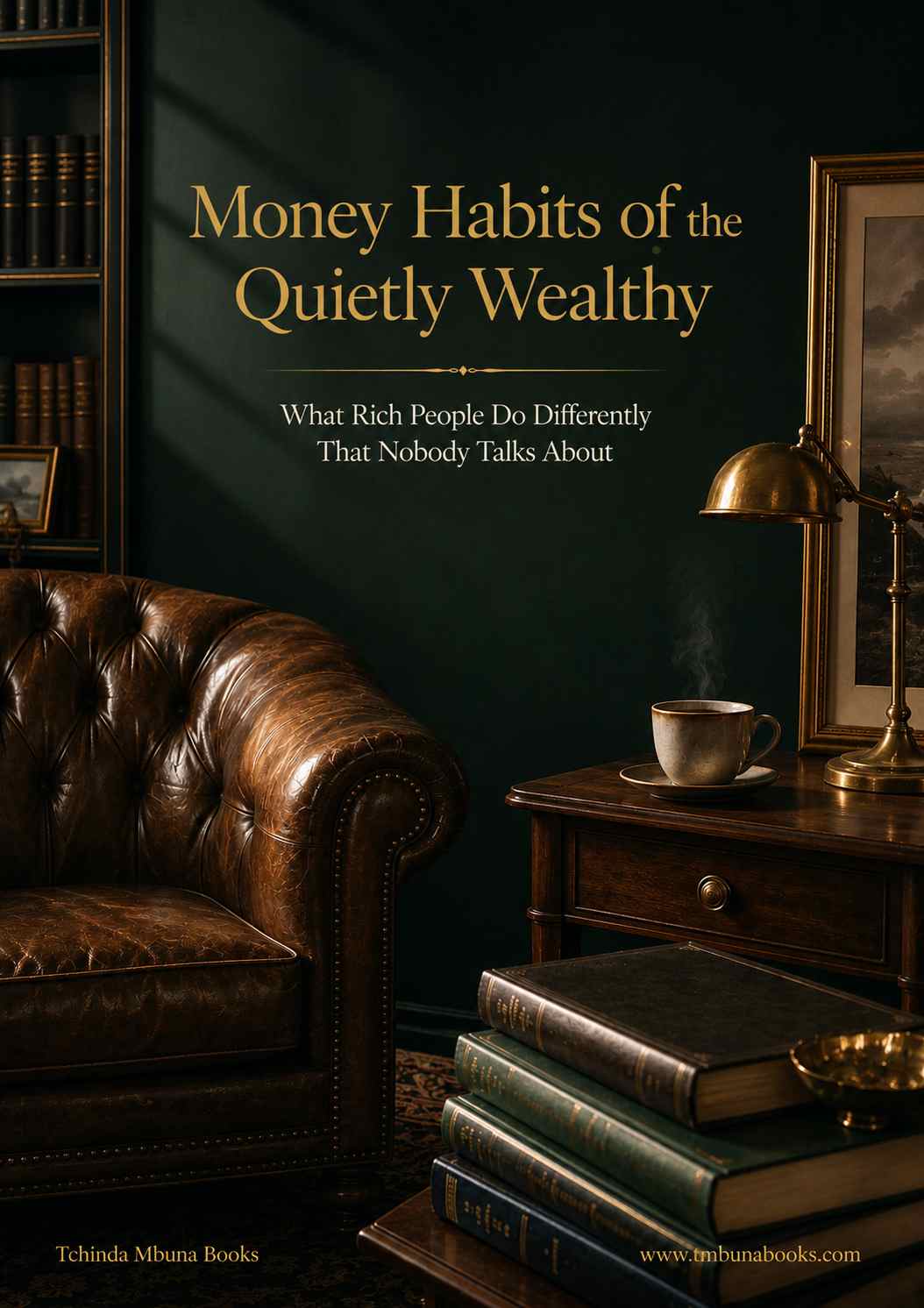
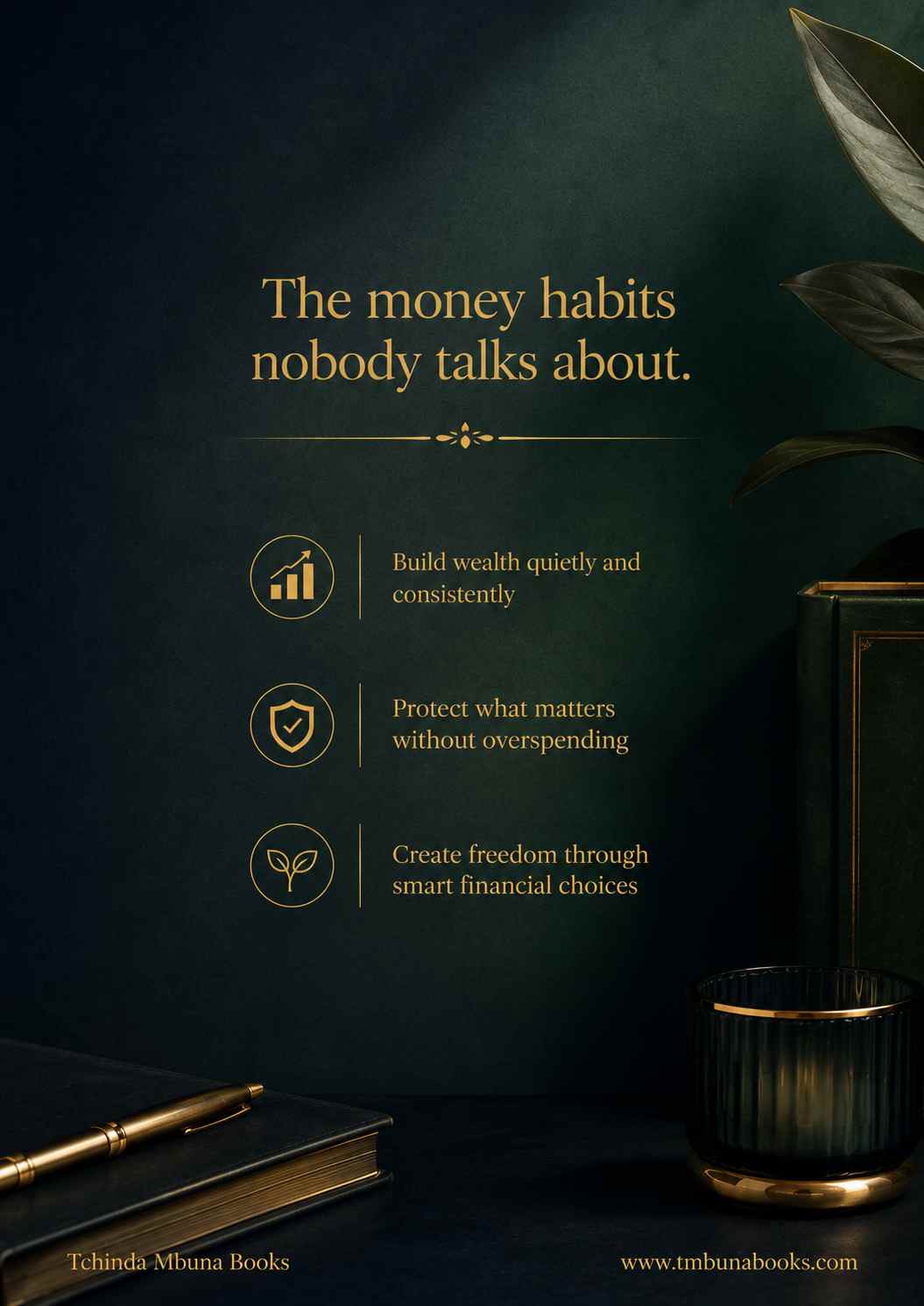
Real wealth is quieter than you think, and closer than you were told.
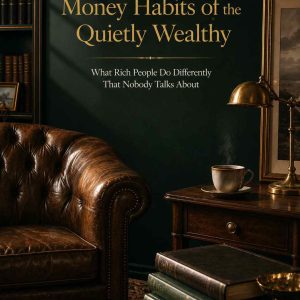
The wealthiest people you know are probably not the ones with the loudest cars. This book reveals the better money habits behind people who build serious wealth quietly, systematically, and without the lifestyle inflation that traps everyone else.
Is This You?
- Your income has risen over the years and your savings have somehow not
- You watch people who earn less than you seem to own more, and cannot work out how
- You save what is left at the end of the month, which is usually nothing
- Every raise disappeared into a slightly better version of the same life
- You want better money habits but the advice you find is either extreme or vague
- You suspect wealthy people know something ordinary, not something secret
What Actually Separates Them
The better money habits that build wealth are almost never the ones people expect to find.
It is rarely income. Plenty of high earners are one bad month from trouble, and plenty of quietly wealthy people never earned a spectacular salary. The difference sits in a handful of unremarkable decisions repeated for an unreasonable length of time.
That is genuinely it. Better money habits are not dramatic and they are not clever. They look almost boring from the outside, which is precisely why most people dismiss them and keep looking for something more exciting that does not exist.
What This Book Gives You
Ten core habits, each explained with real context, the maths behind why it works, and exactly how to start applying it this week. No inheritance assumed. No lectures about coffee. No get rich schemes.
Each habit is small enough to feel almost insignificant on its own. That is the point. The chapter on compound effect explains why small and repeated beats large and occasional, every single time, and once you see the numbers it is difficult to unsee them.
What You Will Learn
- The ten better money habits that quietly separate wealthy people from high earners
- Why lifestyle inflation eats raises, and how to interrupt it before it starts
- Best way to save money automatically, so it never depends on willpower or memory
- How to save money fast on a low income, which is harder but far from impossible
- How to save money for a house without giving up every pleasant thing in your life
- How wealthy people actually think about spending, which is not what you would expect
- Clever ways to save money that survive a bad week rather than requiring a perfect one
- Why net worth matters more than income, and how to track yours honestly
- The compound effect explained with numbers rather than metaphors
- How to build better money habits that hold when life gets chaotic
- What quietly wealthy people never buy, and why they stopped wanting it
- How can you save money fast when a deadline forces it, without wrecking the longer plan
- How to teach these habits to your children without making money feel frightening
How to Use This Book
Read the chapter on compound effect carefully, then pick one habit and run it for thirty days before adding another. Trying to install ten better money habits simultaneously is how people end up with none of them.
Wealth is built by unremarkable decisions repeated for an unreasonable amount of time. That sentence is the whole book, and everything else is instruction on how to make those decisions automatic.
Free tools from Investor.gov let you model compound growth on your own numbers, and the Consumer Financial Protection Bureau offers free guidance on saving. This book is educational rather than personalised financial advice. For investment decisions specific to your circumstances, please consult a qualified professional.
Who This Book Is For
Better money habits are not reserved for people who already have money. They matter most before you do.
Anyone whose income has grown without their savings following. Anyone tired of advice that either assumes wealth or promises miracles. You do not need a high salary to build better money habits, though you do need patience, which is the harder requirement.
What Makes This Different
Most books on better money habits either assume you are already comfortable or promise something implausible.
It does not romanticise frugality and it does not promise speed. There is no chapter about extreme minimalism and no suggestion that you can shortcut a decade of compounding with a clever trick.
It also focuses on behaviour rather than products. Which account you open matters far less than whether you consistently fund it, and better money habits are ultimately about consistency rather than optimisation.
The people this book describes are not remarkable. They simply decided a long time ago to do a few dull things reliably, and then did not stop. That is available to almost anyone, starting this month.
Continue Your Reading
If the foundations are not yet in place, How to Manage Your Money builds them in sequence. If debt is absorbing the money these habits need, Debt-Free by Design comes first. And if you want to apply these habits toward leaving work early, Financial Freedom Before 40 shows the maths. Browse the full Personal Finance collection.
About Tchinda Mbuna Books
Tchinda Mbuna Books is dedicated to publishing practical, high-quality guides that respect your intelligence and deliver real results. Every book we publish is built around one promise: information you can act on the same day you read it.
How You Get Your Book
Your complete guide to better money habits arrives instantly. After purchase you will receive an email from BookFunnel with access to your book. Read it online in your browser or in the free BookFunnel app on iOS, Android or desktop. Your copy is personally watermarked to you.

Reviews
There are no reviews yet.