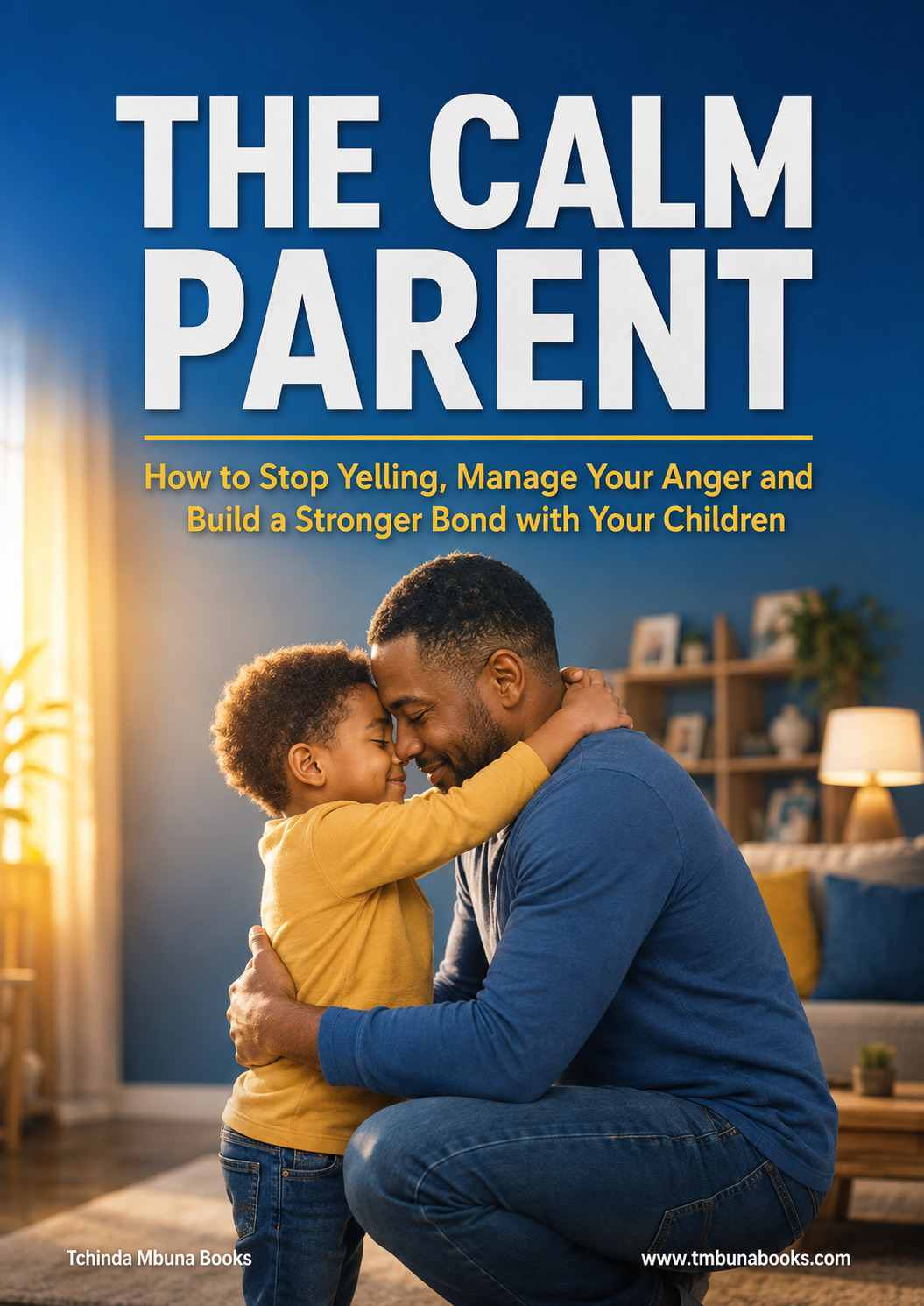
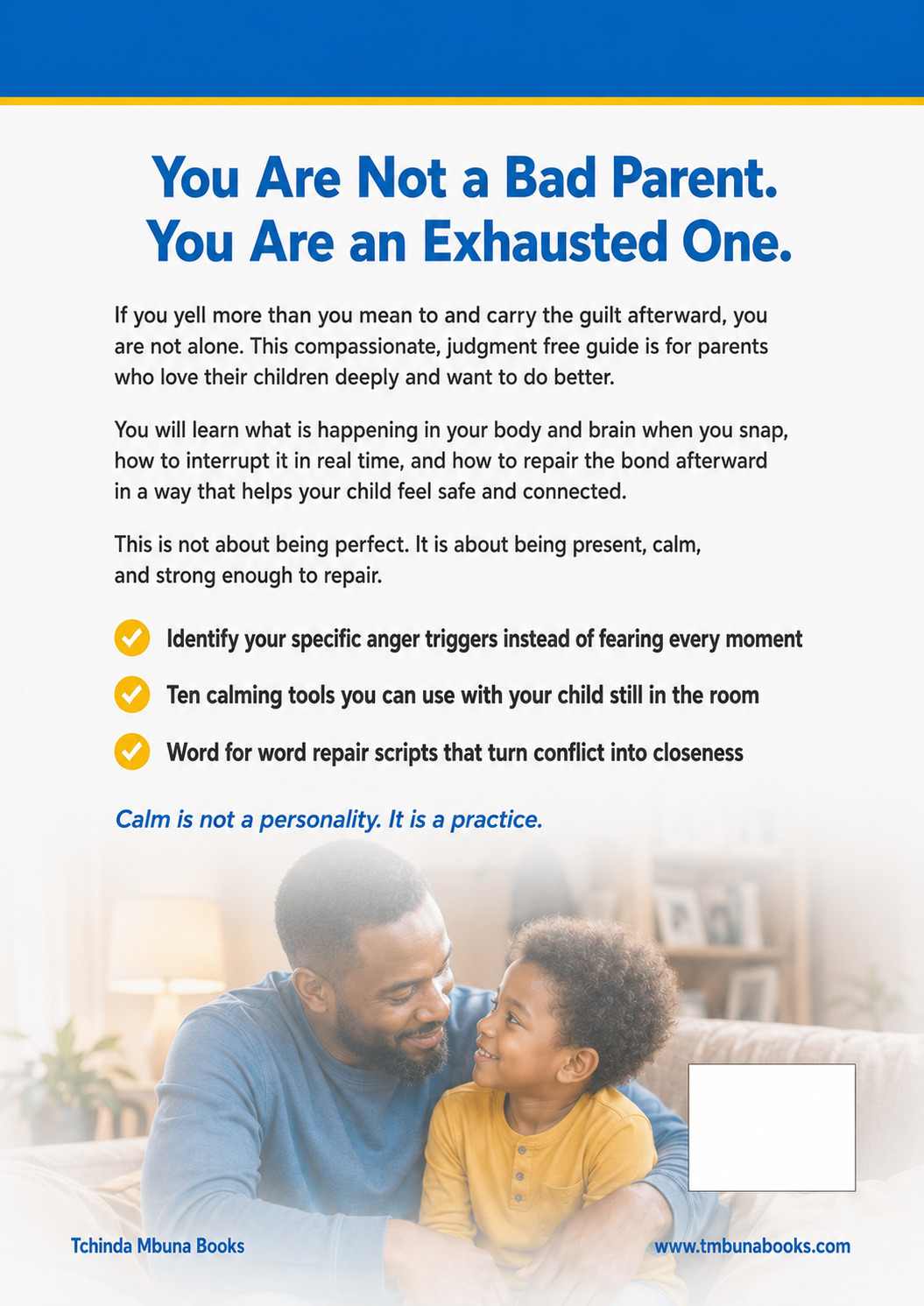
You are not a bad parent. You are an overwhelmed one.
Learning how to stop yelling at your kids is not a matter of resolving to be calmer. It is a physiological problem before it is a parenting one, which is why promising yourself you will do better tomorrow keeps failing.
Is This You?
- You lost your temper again tonight and the guilt arrived before the echo faded
- You promise yourself every morning and break it by six in the evening
- You have searched how to stop yelling at your kids more than once, quietly
- You see your child flinch and it undoes you
- You were yelled at as a child and swore you never would
- You do not need another article telling you yelling is harmful. You know.
Why It Keeps Happening
Understanding how to stop yelling at your kids requires knowing what has already happened by the time you raise your voice.
By the time you are shouting, the thinking part of your brain has already handed over. That is not a willpower failure. It is a nervous system doing exactly what nervous systems do under sustained load.
Which means how to stop yelling at your kids cannot be solved with intention alone. It needs interventions that work on the body in the seconds before the shout, and a repair process for the times it happens anyway.
What This Book Gives You
This book treats how to stop yelling at your kids as three separate problems, solved in sequence.
Three parts, in the order they are actually needed. Part One explains what is happening to you physiologically. Part Two gives you what to do in the moment. Part Three covers what to do afterwards.
The in-the-moment tools are deliberately physical: drop your volume to a near whisper, take one deliberate step backwards, run cold water over your wrists, hum a low steady note on the out breath, press both feet flat into the floor. These work because they interrupt the physiology rather than arguing with the feeling.
What You Will Learn
- How to stop yelling at your kids by working with your nervous system rather than against it
- Why the thinking brain goes offline before you shout, and what that means practically
- Your specific triggers, identified rather than guessed at
- Dropping to a whisper, which changes the dynamic faster than any volume increase
- Physical interruptions: stepping back, cold water, the humming exhale, feet on the floor
- The one sentence limit, and why saying less lands harder than saying more
- How to name what happened factually, once, without a lecture attached
- The OWN IT repair framework for afterwards
- The reunion protocol: for the first ten minutes, ask nothing and require nothing
- How to stop yelling at your kids when you are running on almost no sleep
- Writing down the sentence after an episode, and what that reveals over weeks
- Why the psychological effects of yelling at a child are real and repairable
- Parenting anger management that works on the body rather than on resolve
- What to do when the same flashpoint recurs daily
- How to discipline a child without yelling or hitting, sustainably rather than once
How to Use This Book
Please read the chapter on repair even if you read nothing else. Every parent loses their temper sometimes, and children are far more affected by what happens afterward than by the moment itself.
A genuine repair teaches your child more about relationships than never messing up ever could. That is not consolation, it is the actual mechanism, and it is why this book spends a full third of its length on what comes after.
Practise the physical tools when you are calm. Learning how to stop yelling at your kids depends on the intervention being automatic, and you cannot learn a new response in the middle of the moment you need it.
Guidance on parental stress and discipline from the CDC and the American Psychological Association covers the research behind these approaches.
This book is educational and not a substitute for professional psychological advice. If anger is affecting your relationships or daily functioning, or if you ever feel you may hurt yourself or your child, please contact a doctor, therapist or local crisis service straight away. Asking for help is a sign of strength, not failure.
Who This Book Is For
Parents who already know yelling is not working and cannot seem to stop anyway. Nobody arrives at how to stop yelling at your kids because they do not care. They arrive because they care and keep failing at it.
What Makes This Different
It carries zero judgment. Most material on how to stop yelling at your kids opens by establishing how damaging it is, which adds shame to a parent already drowning in it.
It is also physiological rather than motivational. Concrete interventions for the body in the seconds before the shout, not affirmations about patience you are meant to summon from nowhere.
And it treats repair as the main event. Perfection is not the goal and was never available. How to stop yelling at your kids is really about shortening the gap between losing it and repairing it, until eventually the losing it happens less.
Continue Your Reading
If toddler behaviour is the daily trigger, Parenting Tips for Toddlers gives you scripts for those flashpoints. If exhaustion is underneath the shortness, Breaking the Burnout Cycle addresses the depletion. And to rebuild after a difficult stretch, Raising Confident Kids covers repairing confidence after setbacks. Browse the full Parenting collection.
About Tchinda Mbuna Books
Tchinda Mbuna Books is dedicated to publishing practical, high-quality guides that respect your intelligence and deliver real results. Every book we publish is built around one promise: information you can act on the same day you read it.
How You Get Your Book
Your complete guide on how to stop yelling at your kids arrives instantly. After purchase you will receive an email from BookFunnel with access to your book. Read it online in your browser or in the free BookFunnel app on iOS, Android or desktop. Your copy is personally watermarked to you.


Reviews
There are no reviews yet.