
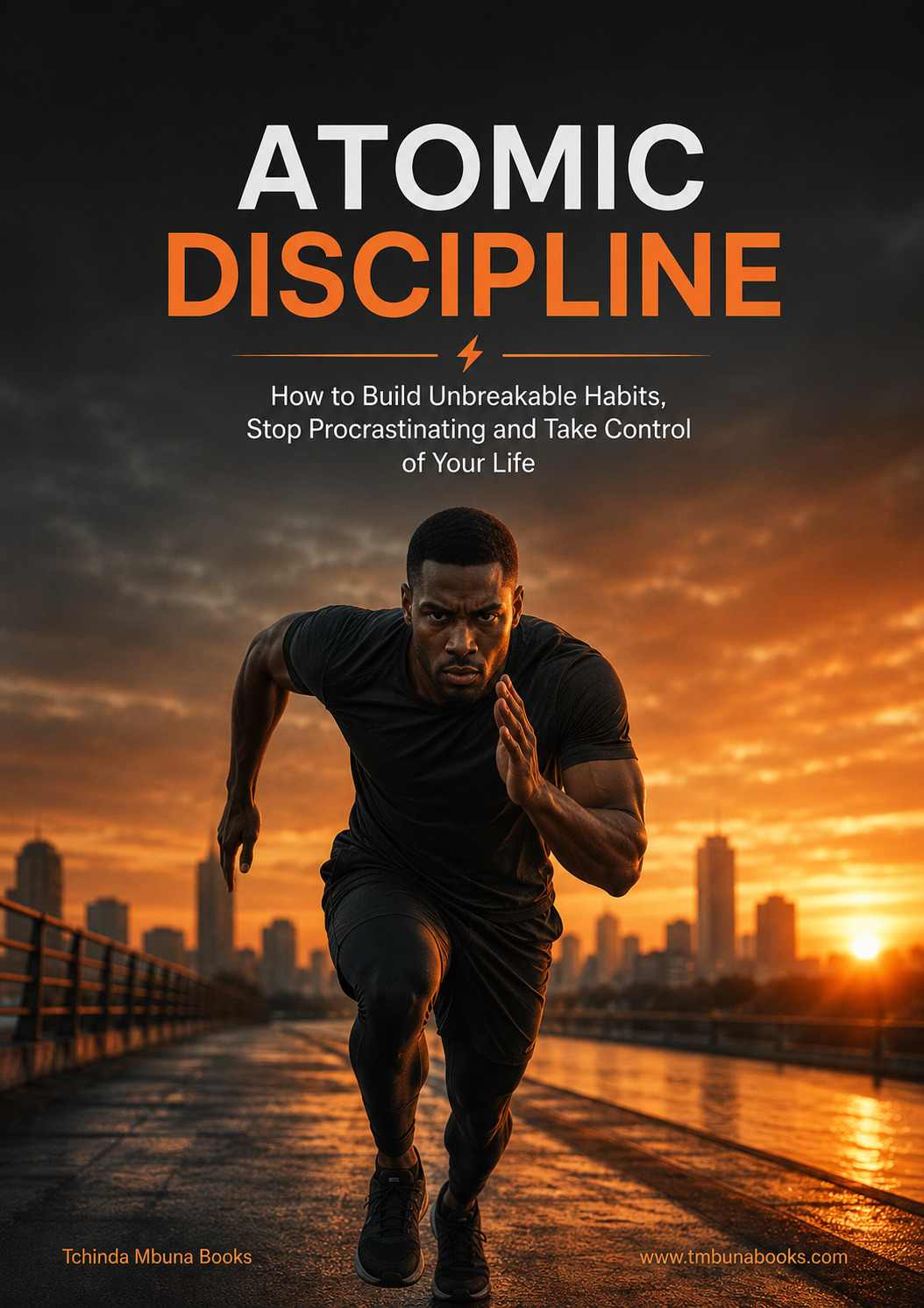
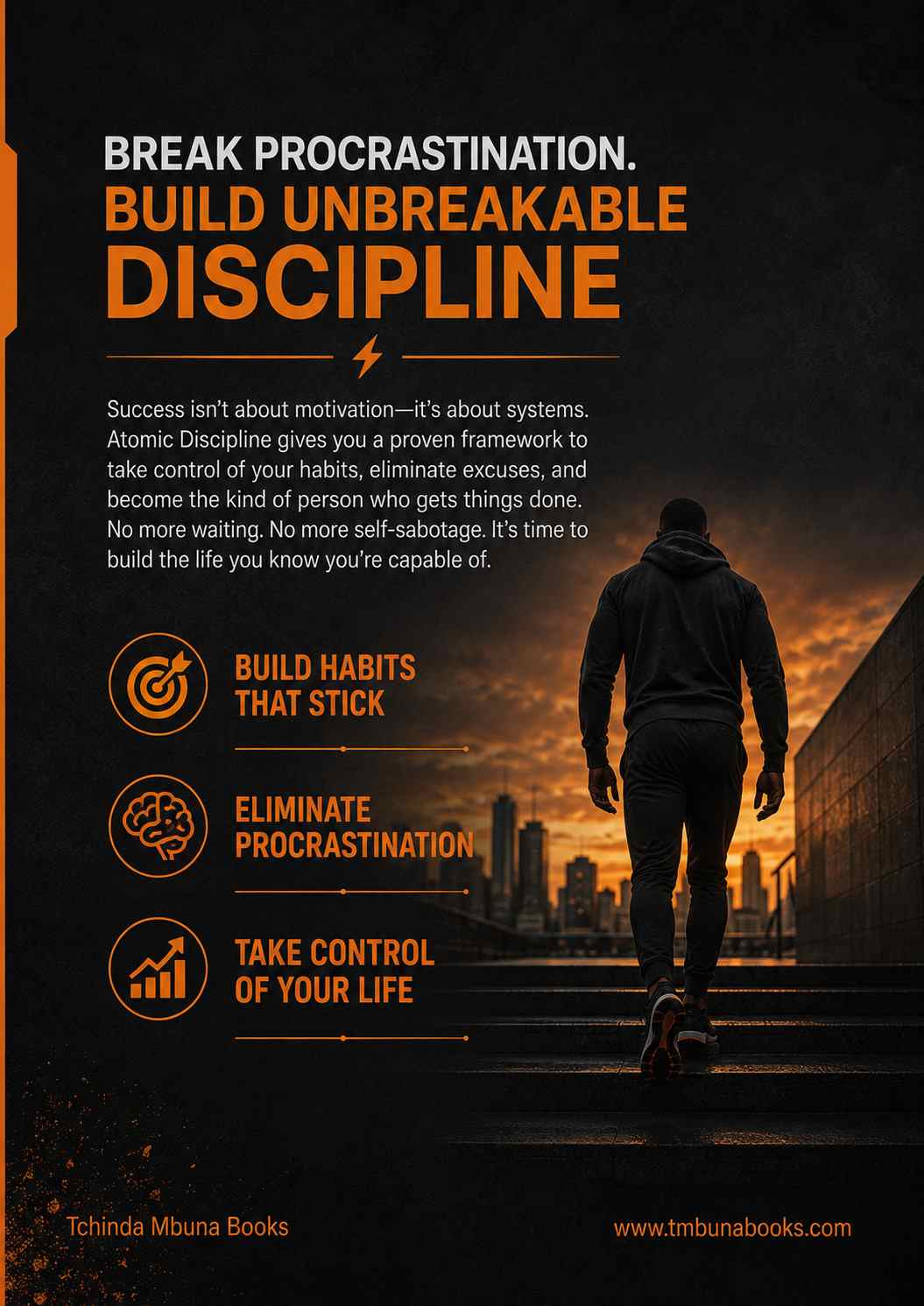
Motivation is a mood. Discipline is a system.
You already know what you should be doing. Nobody needs to explain the plan again. This book is about how to build good habits that survive a hard Tuesday, when the plan you made on Sunday night meets the version of you facing a real alarm clock.
Is This You?
- You have read the articles, watched the videos and bought the planner, and nothing changed
- You start strong for eleven days and then quietly stop
- One missed day turns into a missed week and then into abandoning it entirely
- You have searched how to build good habits and found advice that assumes constant motivation
- You have self discipline at work and cannot apply a scrap of it to your own goals
- You suspect the problem is you, and you have been carrying that for a while
Your Brain Was Never Broken
Most advice on how to build good habits skips the mechanism entirely and jumps straight to encouragement.
The gap between knowing and doing is where most people lose entire years, one small surrender at a time, without noticing it happening. That gap is not a character flaw. It is a predictable feature of how habits form.
Every habit runs on the same four part loop: cue, craving, response, reward. Once you can see that loop operating, how to build good habits stops being a question of wanting it enough and becomes a question of engineering. Willpower was never designed to carry you through a difficult week, which is exactly why relying on it is a trap.
What This Book Gives You
This book treats how to build good habits as an engineering problem rather than a motivational one.
Not more information. You have enough. It closes the gap instead, with a repeatable framework you can apply to any behaviour rather than a list of habits someone else found useful.
The Atomic Discipline Formula sits at the centre. Around it you get habit stacking, environment design, the identity shift that makes behaviour change stick, and a specific protocol for the moment you break a streak.
What You Will Learn
- How to build good habits using the cue, craving, response and reward loop
- Why willpower is a trap, and why discipline is a decision made once rather than daily
- What procrastination is actually protecting you from, and how to break it at the start line
- The Atomic Discipline Formula, a repeatable framework for any habit
- Habit stacking, so new behaviours attach to ones you already do automatically
- Environment over effort, engineering surroundings so the right choice becomes the easy one
- The identity shift, and why becoming the person comes before getting the result
- The Missed Day Protocol for the exact moment a streak breaks
- How long does it take to form a habit, answered honestly rather than with the usual myth
- How to stop procrastinating on the specific task you have been avoiding for weeks
- How to hold discipline under pressure, through stress and genuinely chaotic weeks
- What is self-discipline once motivation is removed from the equation entirely
- How to turn discipline from a project into something you no longer think about
How to Use This Book
Read it through once, then start the 30-Day Discipline Challenge at the back. Thirty concrete, trackable actions that prove the system to yourself rather than asking you to take it on faith.
Use the tracker template alongside it. Learning how to build good habits works best when progress is visible, because the evidence of consistency is what eventually replaces the need for motivation.
Pick one habit to start. Not five. The most common way this fails is attempting a full life overhaul in week one and having nothing running by week three.
Research on habit formation and behaviour change from the American Psychological Association and NHS Every Mind Matters covers the underlying evidence. This book is educational rather than clinical. If procrastination or difficulty with routine is significantly affecting your daily functioning, speaking with a qualified professional is worth considering.
Who This Book Is For
Nobody searches how to build good habits while things are going well. People arrive here after a streak has already collapsed.
Anyone who has tried and stopped, repeatedly. You do not need more discipline to start this book. You need a system that does not depend on having any, which is precisely what how to build good habits properly means.
What Makes This Different
It treats motivation as unreliable rather than something to summon harder. Most guides on how to build good habits are written as though enthusiasm were the fuel. This one assumes enthusiasm will run out and builds for that.
It also plans for failure. The Missed Day Protocol exists because breaking a streak is not the problem. Abandoning the habit after breaking it is, and almost no other book addresses that specific moment.
And it works on identity rather than outcomes. Knowing how to build good habits is ultimately about becoming someone for whom the behaviour is normal, which is why the results outlast the initial effort.
Continue Your Reading
If overthinking is what stops you starting, Stop Overthinking Start Living breaks that loop directly. If the routine you most want to build is a morning one, The 5AM Blueprint is the specific application. And if self-doubt undermines the effort, The Confidence Code addresses the root. Browse the full Self-Help and Mindset collection.
About Tchinda Mbuna Books
Tchinda Mbuna Books is dedicated to publishing practical, high-quality guides that respect your intelligence and deliver real results. Every book we publish is built around one promise: information you can act on the same day you read it.
How You Get Your Book
Your complete guide on how to build good habits arrives instantly. After purchase you will receive an email from BookFunnel with access to your book. Read it online in your browser or in the free BookFunnel app on iOS, Android or desktop. Your copy is personally watermarked to you.


Reviews
There are no reviews yet.